
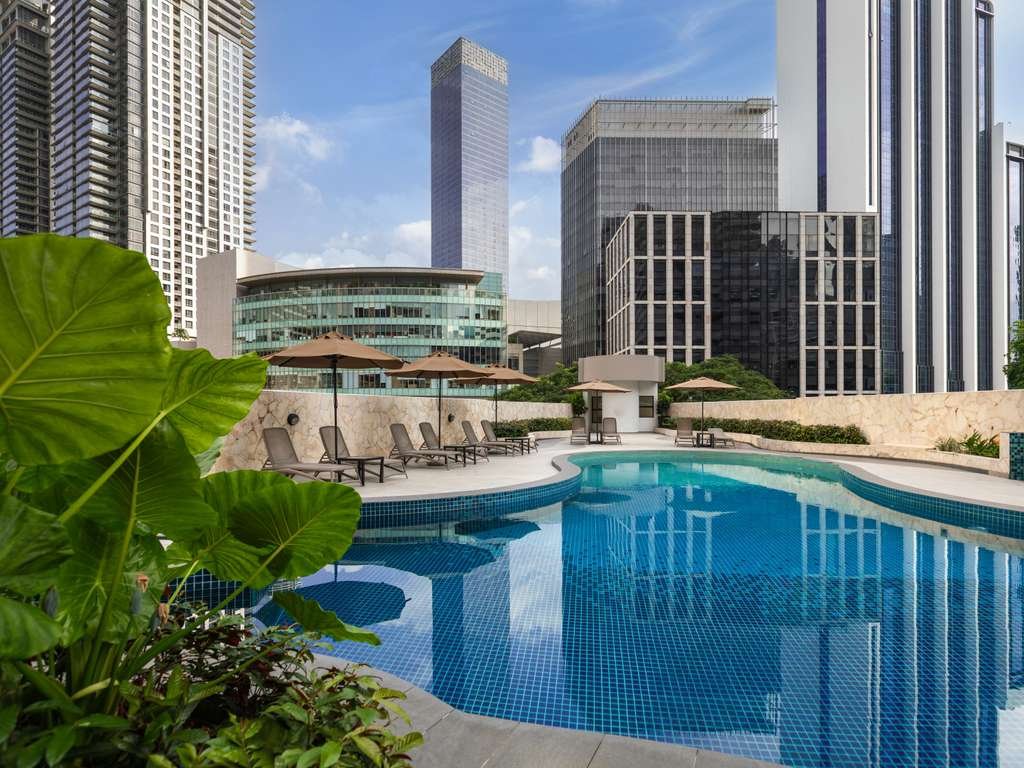
Weed in Kuala Lumpur · Malaysia
A complete, honest guide to weed laws, local culture, attitudes, legal alternatives, and staying safe in Malaysia’s capital — one of the world’s strictest cannabis jurisdictions. Weed in Kuala Lumpur
Legal StatusFully Illegal
Max PenaltyDeath
Risk LevelExtreme
Read Time~13 Min
⚠Disclaimer: This guide is for informational and harm-reduction purposes only. Cannabis is fully illegal in Malaysia. Nothing here encourages or facilitates illegal activity. Penalties can include death. Weed in Kuala Lumpur
Table of Contents
- 01Weed Laws in Kuala Lumpur
- 02Local Attitudes Toward Cannabis
- 03Cannabis Culture in Kuala Lumpur
- 04How People Access Weed in KL
- 05Legal Alternatives in KL
- 06Events & Weed-Friendly Atmosphere
- 07Safety Tips
- 08Frequently Asked Questions
01 — Laws
Weed Laws in Kuala Lumpur Weed in Kuala Lumpur
Malaysia enforces some of the harshest drug laws on earth. Cannabis falls under the Dangerous Drugs Act 1952, which has been amended multiple times to increase penalties. Kuala Lumpur, as the national capital and seat of federal government, is fully subject to federal law — there are no local exemptions or softer enforcement zones. Weed in Kuala Lumpur
Critical Legal Warning Malaysia operates a mandatory death penalty for drug trafficking above certain thresholds. For cannabis, trafficking 200 grams or more is a capital offense. This is not a theoretical risk — Malaysia has executed people for cannabis trafficking. The sentence is carried out by hanging. Weed in Kuala Lumpur
The Dangerous Drugs Act 1952
The Act defines cannabis (ganja) as a “dangerous drug” in the First Schedule. The legislation makes no distinction between recreational and medical use — cannabis in any form, for any purpose, is illegal. This includes cannabis oil, CBD products derived from cannabis (as opposed to industrial hemp), edibles, and seeds. Weed in Kuala Lumpur
Penalties by Offense
| Offense | Threshold | Penalty | Severity |
|---|---|---|---|
| Possession / Consumption | Any amount | Up to 5 years + fine or whipping | High |
| Possession (presumed trafficking) | 50g+ | 5–20 years + whipping | Very High |
| Trafficking | Under 200g | 5 years to life + whipping | Extreme |
| Trafficking (mandatory death) | 200g+ | Death by hanging | Capital |
| Cultivation | Any amount | Life imprisonment + whipping | Extreme |
| Importing / Exporting | Any amount | Death (mandatory above threshold) | Capital |
Presumption of Trafficking Weed in Kuala Lumpur
A critical legal mechanism in Malaysian law: if you are found in possession of 50 grams or more of cannabis, the law presumes you are trafficking, regardless of your stated intent. The burden of proof then falls on you to prove otherwise. This is a reversal of the normal presumption of innocence, and it has sent many people to the gallows who claimed personal use. Weed in Kuala Lumpur
Mandatory Minimum Sentencing Weed in Kuala Lumpur
Even for possession of small amounts, Malaysian courts have limited discretion. Mandatory minimum sentencing provisions mean judges cannot go below prescribed floors. First-time offenders caught with small amounts have received multi-year sentences. The system is designed to be punitive at every level. Weed in Kuala Lumpur
Corporal Punishment
Whipping (caning) is a standard element of sentencing under the Dangerous Drugs Act for many offenses. It is not optional — it is written into the law as part of the sentence. Male offenders between 10 and 50 years of age are typically eligible for caning.
Foreign Nationals Tourists and foreign workers receive no exemptions or leniency. Malaysia has executed foreign nationals for drug trafficking. Embassies can provide consular assistance but cannot intervene in criminal proceedings. There are no prisoner transfer treaties that would allow you to serve a Malaysian sentence in your home country. Weed in Kuala Lumpur
2024 Drug Reform Discussions
Malaysia has seen some limited legal debate about drug reform, primarily around shifting minor possession to a health/rehabilitation framework rather than criminal prosecution. However, as of 2025, no meaningful decriminalization has occurred. Cannabis remains fully criminalized. Any reports of “reform” in Malaysia refer to limited pilot programs for hard drug addiction treatment — not cannabis liberalization. Weed in Kuala Lumpur
02 — Attitudes
Local Attitudes Toward Cannabis
Malaysia is a majority-Muslim nation, and Islamic law significantly shapes social norms around intoxicants. Cannabis is prohibited under Islamic teachings (haram), and this religious dimension gives the prohibition a moral weight that goes beyond legal compliance for the majority population. Weed in Kuala Lumpur
“In Malaysia, cannabis carries the social stigma of a dangerous, criminal substance — not a recreational herb. Most Malaysians would not distinguish it from heroin in terms of moral severity.” Weed in Kuala Lumpur
The Ethnic Dimension
Malaysian society comprises three major ethnic communities with distinct attitudes. Among the Malay Muslim majority, cannabis is viewed through both religious and legal lenses — a serious sin and a serious crime. Among Chinese Malaysians, attitudes vary more, but the legal risks make open discussion taboo. Among Indian Malaysians, some cultural familiarity with cannabis exists historically, but public attitudes remain cautious and the legal fear is universal. Weed in Kuala Lumpur
Urban vs Rural
Kuala Lumpur is the most cosmopolitan city in Malaysia. Its large expat community, international student population, and urban professional class include individuals with more globally informed views on cannabis. However, even in KL, expressing pro-cannabis views publicly is socially and professionally risky. The gap between what people think privately and what they say publicly is wide.
Political Landscape
No major Malaysian political party has advocated for cannabis legalization or decriminalization. The governing coalition includes Islamist parties for whom drug liberalization is ideologically impossible. Drug policy reform, where it occurs, is framed purely in terms of public health for addiction — never in terms of individual liberty or recreational freedom. Weed in Kuala Lumpur
Nuance Among younger, educated, internationally-connected Malaysians — particularly in creative industries, tech, and academia — there is private awareness of global cannabis normalization. Some will express ambivalence in very trusted settings. This does not translate into any practical permissiveness in public life, employment, or law enforcement. Weed in Kuala Lumpur
03 — Culture
Cannabis Culture in Kuala Lumpur
There is no visible cannabis culture in Kuala Lumpur in any meaningful sense. Unlike cities such as Bangkok (post-2022 decriminalization) or even Phnom Penh, KL has no cannabis cafés, no open dealers, no social consumption scenes, and no advocacy movement. What exists is hidden, fragmented, and extremely risk-conscious. Weed in Kuala Lumpur
The Underground Network
A small community of cannabis users does exist in KL, primarily comprised of foreign expatriates, international students, local young professionals with overseas experience, and members of certain creative and nightlife subcultures. This community is held together by deep personal trust — access through strangers is essentially nonexistent and widely understood as suicidal from a legal risk perspective.
Online Spaces
Private Telegram channels, Signal groups, and certain WhatsApp circles serve as the closest thing to a community. These are invite-only, use coded language, and operate with significant operational security. Reddit forums like r/malaysia occasionally feature harm-reduction discussions, though these are posted cautiously and often deleted. None of these spaces function as sourcing networks — they are social and support-oriented. Weed in Kuala Lumpur
Influence of Global Culture
Hip-hop music, reggae, and global youth culture have introduced cannabis aesthetics to Kuala Lumpur’s younger generation. Cannabis leaf imagery appears on clothing, art, and accessories — usually imported. This aesthetic layer exists entirely separately from actual use and carries its own risks: Malaysian police have questioned and detained people for wearing cannabis-themed clothing, as it is considered association with drug culture. Weed in Kuala Lumpur
Warning Wearing cannabis-leaf imagery on clothing or accessories in Malaysia has led to police stops and questioning. Do not bring cannabis-branded items into Malaysia. Customs officers have confiscated and destroyed such items, and the wearer can be detained for questioning. Weed in Kuala Lumpur
The Expat Bubble
KL’s substantial expat community (centered in areas like KLCC, Mont Kiara, and Bangsar) includes nationals from countries where cannabis is legal. This creates a demographic that may have personal cannabis habits and the financial means to access it. However, expats who are arrested receive no special treatment — and loss of work visa, deportation, and criminal record are added consequences on top of the standard penalties. Weed in Kuala Lumpur
04 — Access
How People Access Weed in Kuala Lumpur
This section is provided strictly for harm-reduction awareness. Understanding how access works illuminates the risk environment — it is not a how-to guide. Weed in Kuala Lumpur
Harm Reduction Context Only Knowing how access works in KL primarily helps you understand how law enforcement approaches the problem, what risks are highest, and why the “obvious” routes are the most dangerous. Weed in Kuala Lumpur
The Trust Network Model
In KL, cannabis virtually never changes hands between strangers. The risk calculus for sellers is too extreme — a trafficking charge above 200g is a death sentence. As a result, access flows almost entirely through chains of personal trust: a friend introduces you to a contact, who introduces you further. Cold outreach — asking acquaintances, approaching strangers, posting online — is both ineffective and extremely dangerous. Weed in Kuala Lumpur
Online Channels
Some access occurs through encrypted messaging apps. However, Malaysian police actively monitor and infiltrate these channels. The Royal Malaysia Police (PDRM) Narcotics Criminal Investigation Department (NCID) is well-resourced and uses digital surveillance. Arrests from sting operations conducted via Telegram and WhatsApp have been widely reported in Malaysian media. These channels are not safe. Weed in Kuala Lumpur
Pricing and Product
For context: cannabis in KL is expensive by regional standards, reflecting the risk premium. Quality is completely unregulated, and there are documented cases of cannabis being adulterated with synthetic cannabinoids or other substances. A buyer has no legal recourse and no quality assurance of any kind. Weed in Kuala Lumpur
Border Proximity
Malaysia shares borders with Thailand (where cannabis was briefly decriminalized) and has sea borders with Indonesia. Some movement of cannabis occurs across these routes, but Malaysian border enforcement is serious and carries capital offense consequences for anyone caught transporting across borders — even from jurisdictions where it was recently legal. Weed in Kuala Lumpur
Sting Operations The Royal Malaysia Police regularly runs undercover operations targeting both buyers and sellers. Officers pose as dealers in nightlife areas including Bukit Bintang, KLCC, and Chow Kit. Being caught in a sting as a buyer typically results in possession charges; if the amount is above 50g, the trafficking presumption applies automatically. For foreigners, arrest in a sting almost certainly ends in deportation at minimum. Weed in Kuala Lumpur
05 — Alternatives
Legal Alternatives in Kuala Lumpur Weed in Kuala Lumpur
KL is a genuinely stimulating city with a rich range of legal experiences for relaxation, altered states, and enjoyment. The city’s food scene alone is world-class and offers a sensory experience few cities can match. Weed in Kuala Lumpur
🍹
Craft Cocktails & Rooftop Bars
Alcohol is legal in Malaysia for non-Muslims. KL has a sophisticated bar scene — rooftops at KLCC, speakeasies in Bukit Bintang, and cocktail bars in Bangsar. Weed in Kuala Lumpur
🌿
Herbal & Kratom Culture
Kratom (Mitragyna speciosa) is a native Malaysian plant with traditionally relaxing properties. It was briefly illegal but returned to a legal grey area. Widely available in certain areas.
💆
Traditional Massage & Wellness
KL has excellent traditional Malay, Thai, and Chinese massage centres. Reflexology and body work for deep relaxation are inexpensive and widely available.
🍜
Hawker Food Culture
Malaysian food is one of the world’s great cuisines. Jalan Alor, Petaling Street, and the night markets of KL offer a sensory experience that is genuinely transportive.
🛕
Nature & Forest Retreats
The KL Forest Eco Park, Bukit Nanas, and day trips to Cameron Highlands or Batu Caves offer immersion in lush tropical nature — deeply restorative.
☕
Teh Tarik & Kopitiam Culture
The ritual of Malaysian teh tarik (pulled tea) and kopitiams (traditional coffee shops) is a cultural institution. Strong Malaysian coffee and tea provide a distinctive caffeine experience.
A Note on CBD in Malaysia
CBD is not legally distinguished from cannabis in Malaysia. The Dangerous Drugs Act covers all cannabis-derived products regardless of THC content. CBD oil, CBD gummies, CBD topicals — all are illegal in Malaysia. This differs from many other Southeast Asian countries. Do not bring any CBD products into Malaysia, regardless of origin or THC content claims.
Kratom (Ketum) — A Legal Grey Zone
Kratom is an indigenous Malaysian plant historically used by rural workers for energy and pain relief. It was banned under the Poisons Act in 2003, then removed from the banned list in 2021 after lobbying from rural communities and cultural advocates. Its status remains somewhat ambiguous at the federal level, and enforcement is inconsistent. It is not a substitute for cannabis in effect, but it is worth knowing about for those interested in legal botanical alternatives. Seek local guidance on current status before consuming.
Recommendation KL’s rooftop bar scene, food markets, and wellness culture offer genuinely world-class experiences. Visitors who approach the city on its own terms — rather than looking for what it can’t offer — consistently find it one of Southeast Asia’s most rewarding destinations.
06 — Events
Events & Weed-Friendly Atmosphere
There are no cannabis-friendly events in Kuala Lumpur. No 420 celebrations, no cannabis expos, no social consumption spaces. What exists are events and spaces with a broadly alternative, cosmopolitan atmosphere that may attract people with more liberal personal values — but cannabis remains entirely absent from public life.
TREC & Zouk KL
KL’s Entertainment & Recreation Centre (TREC) in Jalan Tun Razak houses Zouk KL, one of Asia’s most prominent nightclubs. The international music acts, dense crowd of foreigners and young KL professionals, and all-night culture create a broadly global atmosphere. Drugs of various kinds are known to circulate in KL’s club scene — but the police presence (including plainclothes officers) in these exact venues is substantial and well-documented.
Bukit Bintang Nightlife
The Bukit Bintang district is KL’s primary nightlife hub — dense with bars, clubs, restaurants, and street vendors. The area has a large foreign population in the evenings and a generally relaxed street atmosphere. It is also heavily surveilled and a focus of PDRM narcotics enforcement operations.
Arts & Creative Spaces
Neighbourhoods like Chow Kit, Bangsar, and Publika Mall’s creative cluster attract KL’s arts community, independent musicians, and creative professionals. These spaces have a relatively alternative cultural atmosphere and are the closest KL gets to a bohemian scene. Cannabis does not feature openly in any of these spaces.
Honest Assessment KL’s nightlife and events scene can feel quite free-spirited and international, particularly in expat-heavy areas. This atmosphere does not reflect the legal reality. Police operations in and around KL nightlife venues are common, targeted, and professionally executed. The gap between how relaxed the social environment feels and how serious the legal consequences are is genuinely dangerous.
07 — Safety
Safety Tips for Cannabis in Kuala Lumpur
- 01 Never bring cannabis or CBD into Malaysia. Malaysian customs is thorough and uses trained detection dogs, chemical testing, and X-ray technology. All forms of cannabis, including CBD products, are illegal in Malaysia regardless of origin or THC level. Being caught importing is a potential capital offense.
- 02 Understand the 50g trafficking presumption. If you are caught with 50 grams or more, Malaysian law automatically presumes you are trafficking. The burden of proof reverses onto you. There is no “I didn’t know” or “it was for personal use” defense above this threshold.
- 03 Do not engage with strangers offering drugs. Undercover operations are a standard tool of Malaysian law enforcement. Any stranger who offers to sell you cannabis in KL — at a bar, on the street, through a messaging app — should be treated as a probable police operation. Decline and leave immediately.
- 04 Do not carry cannabis-related items. Cannabis-leaf clothing, accessories, lighters, or paraphernalia have resulted in police stops and questioning in Malaysia. Do not bring such items into the country.
- 05 Know what to do if arrested. Request contact with your embassy or consulate immediately — this is your right under the Vienna Convention on Consular Relations. Do not sign any documents, make statements, or confess to anything without a lawyer present. Remain calm and cooperative in manner while exercising your right to silence.
- 06 Be aware of testing capabilities. Malaysian police can and do conduct blood, urine, and hair follicle tests. A positive test for cannabis can support a consumption charge. THC is detectable in urine for weeks after last use — someone who used cannabis legally at home before traveling can test positive in Malaysia.
- 07 Secure your digital devices. Malaysian authorities can and do examine phones during arrest. Delete any cannabis-related messages, content, or apps before traveling. Be aware that deleted content may be forensically recoverable — the safest approach is to have nothing to find.
- 08 Do not discuss cannabis with locals you don’t know well. Bringing up cannabis with taxi drivers, hotel staff, tour guides, or new acquaintances can trigger reporting to authorities and is culturally offensive to many Malaysians. There is no casual or safe way to ask a local about cannabis access.
Emergency Contact If arrested in Malaysia, contact your country’s embassy in Kuala Lumpur immediately. Most embassies have 24-hour emergency lines. The Malaysian Bar Council also maintains a duty lawyer scheme. Document everything you can remember about the circumstances of your arrest as soon as possible.
08 — FAQ
Frequently Asked Questions
Q Is cannabis ever legal in Malaysia for any purpose?
No. Malaysia has no medical cannabis program, no CBD exemption, no industrial hemp industry, and no decriminalization framework. Cannabis in any form — flower, oil, edible, tincture, seed — is illegal under the Dangerous Drugs Act 1952. Unlike many countries that have created carve-outs for medical or industrial use, Malaysia has made none.
Q Has Malaysia actually executed people for cannabis?
Yes. Malaysia has executed individuals whose drug trafficking charges involved cannabis. The mandatory death penalty applies to trafficking 200 grams or more, and Malaysian courts have applied it to cannabis cases. Amnesty International and other human rights organizations have documented and criticized these executions. The government has at times discussed making the death penalty discretionary rather than mandatory, but as of 2025 it remains on the books and has been applied.
Q Is Malaysia moving toward cannabis reform?
There is no active movement toward cannabis reform in Malaysia. Some politicians and health advocates have called for decriminalization of personal drug use as a public health measure (primarily targeting harder drugs and addiction treatment), but cannabis specifically has not been part of serious reform discussions. The current government coalition includes parties for whom drug liberalization is a religious and political non-starter. Don’t expect change in the near future.
Q Can I bring CBD products from a country where they’re legal?
No. Malaysia does not recognize CBD as distinct from cannabis. All cannabis-derived products, regardless of THC content, are covered by the Dangerous Drugs Act. CBD products that are legal in the EU, US, UK, or elsewhere are illegal in Malaysia. Customs has confiscated CBD oils, gummies, and capsules from travelers. Bringing CBD into Malaysia carries the same legal exposure as bringing cannabis.
Q What if I test positive for cannabis in Malaysia but wasn’t in possession?
You can be charged with consumption of a dangerous drug under Section 15 of the Dangerous Drugs Act. Consumption is a standalone offense. A positive urine or blood test is sufficient evidence. Consumption charges carry up to 2 years imprisonment and/or fines. The defense that you consumed cannabis legally in another country before arriving in Malaysia has not been accepted by Malaysian courts.
Q Is it safer to use cannabis in a private residence in KL?
There is no “safe” place to use cannabis in KL from a legal standpoint, but private residences do reduce the probability of detection compared to public spaces. However, Malaysian police can and do execute raids on private residences based on intelligence, neighbor reports, or surveillance. Smoke and odor in apartments — especially in multi-unit buildings — has led to reports and subsequent raids. Possession charges apply regardless of location.
Q Does Malaysia treat foreign nationals differently in drug cases?
No — and in some respects the consequences are worse for foreigners. Foreign nationals face the same criminal penalties as Malaysian citizens, plus: consular notification (you should request this immediately), potential immigration detention on top of criminal detention, deportation after sentence completion, and a permanent entry ban. There are no prisoner transfer agreements allowing you to serve a Malaysian sentence at home. Several foreign nationals have been on Malaysia’s death row for drug offenses.
Q What happened with Thailand’s legalization — does that affect KL?
Thailand had a brief period of partial cannabis decriminalization (2022–2024), which was subsequently reversed. Even during that window, Thailand’s cannabis laws had zero effect on Malaysia — they are entirely separate jurisdictions. Any cannabis obtained in Thailand becomes illegal the moment it crosses the Malaysian border. Thai-legal cannabis transported to Malaysia constitutes drug trafficking/smuggling with capital offense exposure. The two countries’ policies are completely independent.
✦ ✦ ✦
KL Cannabis GuideLegal Disclaimer This article is published for informational and harm-reduction purposes only. It does not encourage, condone, or facilitate illegal activity of any kind. Cannabis is fully illegal in Malaysia, with penalties up to and including death by hanging for trafficking offenses. Always comply with local laws. This guide does not constitute legal advice. If you face a drug-related legal situation in Malaysia, contact your embassy and seek qualified legal representation immediately.