
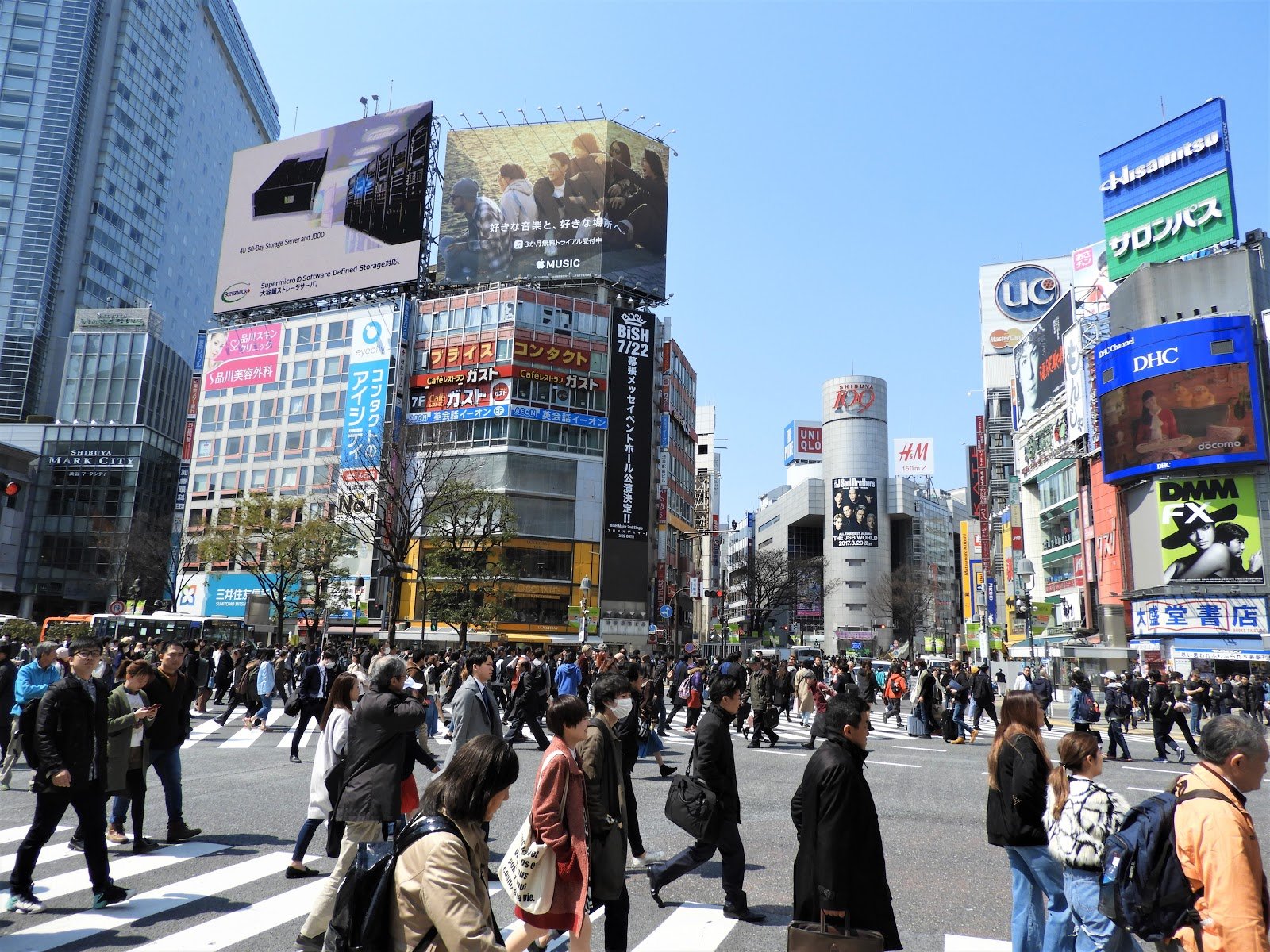
Weed in Tokyo The Complete Guide
Everything you need to know about weed laws, local attitudes, culture, access, legal alternatives, and staying safe in Japan’s capital city.
StatusFully Illegal Weed in Tokyo
Risk LevelVery High Weed in Tokyo
Max Penalty7 Years + Deportation
Read Time~12 Minutes
⚠Disclaimer: This guide is for informational and harm-reduction purposes only. Cannabis is illegal in Japan. Nothing here constitutes legal advice or encouragement to break any laws. Weed in Tokyo
Contents
- Weed Laws in Tokyo
- Local Attitudes Toward Cannabis
- Cannabis Culture in Tokyo
- How People Access Weed in Tokyo
- Legal Alternatives in Tokyo
- Events & Weed-Friendly Atmosphere
- Safety Tips
- Frequently Asked Questions
01 — Laws
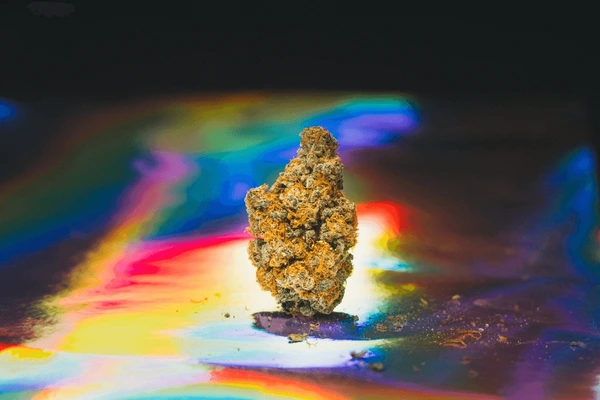
Weed Laws in Tokyo
Japan has some of the strictest cannabis laws in the world, and Tokyo — as the nation’s capital — enforces them with no leniency. The Cannabis Control Act (大麻取締法), enacted in 1948 and significantly tightened in 2024, governs all cannabis-related offenses.
Key Legal Reality Japan draws zero distinction between recreational and medical use for most purposes. Possession of even a single gram can — and does — result in criminal charges, arrest, and incarceration. Weed in Tokyo
Criminal Penalties at a Glance Weed in Tokyo
| Offense | Max Prison Term | Max Fine | Severity |
|---|---|---|---|
| Possession (any amount) | 7 years | ¥2,000,000 | Very High |
| Cultivation | 7 years | ¥2,000,000 | Very High |
| Trafficking / Sale | 10 years | ¥3,000,000 | Extreme |
| Importing / Exporting | 10 years | ¥3,000,000 | Extreme |
| Consumption (post-2024) | 7 years | ¥2,000,000 | Very High |
The 2024 amendment was a landmark change: it criminalized consumption as a standalone offense for the first time. Previously, only possession was technically illegal. Now simply testing positive for cannabis on a drug test administered by police can be prosecuted.
What About Foreigners? Weed in Tokyo
Tourists and expats receive no special treatment. Foreign nationals arrested for cannabis offenses face the same criminal penalties as Japanese citizens — plus virtually guaranteed deportation after sentencing, and a permanent ban on re-entry to Japan. Several high-profile cases involving foreign athletes and entertainers have resulted in public criminal trials, career destruction, and lifetime bans.
Important Note Japan has mutual legal assistance treaties with many countries. In rare cases involving trafficking, cooperation with foreign authorities has occurred. Carrying cannabis across the border — even from a country where it is legal — is treated as smuggling.
Police Powers Weed in Tokyo
Japanese police can detain suspects for up to 23 days without charge — a significant window compared to Western norms. During this period, suspects are strongly pressured to confess. Japan’s conviction rate in criminal trials exceeds 99%, meaning arrest typically leads to conviction. Legal representation during police questioning, while technically available, is often limited in practice. Weed in Tokyo
02 — Attitudes
Local Attitudes Toward Cannabis
Understanding how Japanese society views cannabis is crucial for any visitor. The attitude is sharply different from many Western nations, and even from Japan’s neighbors like South Korea. Weed in Tokyo
“Cannabis in Japan carries the cultural stigma that methamphetamine does in many Western countries — it is not seen as a relatively benign substance.” Weed in Tokyo
Historical Context
Cannabis (taima/大麻) was historically cultivated in Japan for fiber, rope, and Shinto ritual use. Post-WWII American occupation authorities imposed strict drug control laws in 1948, partly modeled on U.S. policy of the era, partly to suppress hemp cultivation for military use. Over 75+ years, these laws have deeply shaped public perception — most Japanese citizens have never encountered the drug and hold genuinely negative views of it. Weed in Tokyo
Generational Divide
Younger generations in Tokyo, particularly those with international exposure, tend to have somewhat more nuanced views — especially following the global wave of legalization in North America. However, even among younger Japanese, public endorsement of cannabis is rare. Social consequences for being associated with cannabis use (job loss, family shame, social ostracism) remain severe.
Media Framing
Japanese media consistently reports on cannabis arrests — especially those involving celebrities — with shock and moral condemnation. A single positive drug test for an actor or musician typically ends their career permanently. This media climate reinforces and perpetuates strongly negative public sentiment. Weed in Tokyo
Cultural Insight Many Japanese people conflate cannabis with “hard” drugs. The harm-reduction framework common in the Netherlands or Portugal is largely absent from public discourse. Approaching any local Japanese person about cannabis — whether asking where to find it or sharing your own views — is considered deeply inappropriate and will cause immediate discomfort. Weed in Tokyo
03 — Culture
Cannabis Culture in Tokyo
Despite the harsh legal environment, a subterranean cannabis culture does exist in Tokyo — primarily among certain demographics: foreign nationals, artists, musicians, international students, and a small number of Japanese nationals who have lived or traveled abroad.
The Underground Scene
There is no open cannabis culture in Tokyo. There are no “coffee shops,” no cannabis-themed events, no public consumption spaces, and no visible weed culture the way you’d find in Amsterdam, Bangkok, or even Bangkok (where laws changed in 2022). What exists is quiet, deeply private, and risk-laden. Weed in Tokyo
Online Communities
Small online communities on platforms like Reddit (r/japanlife, r/tokyo), Telegram groups, and certain Discord servers serve as hubs for the small community of cannabis users in Tokyo. These are primarily English-language spaces and are frequented by foreigners. Discussions are typically cautious and focus on harm reduction, legal alternatives, and experiences — not sourcing. Weed in Tokyo
Music & Arts Adjacent
Some parts of Tokyo’s underground music scene — particularly in areas like Shimokitazawa and certain clubs in Shinjuku and Shibuya — have a reputation for slightly more relaxed attitudes, influenced by global hip-hop and reggae culture. However, this is about vibes and aesthetics, not open cannabis use. Actual consumption remains strictly hidden. Weed in Tokyo
Reality Check Much of the “cannabis culture” in Tokyo is performative — cannabis leaf imagery on streetwear, reggae music at bars, Jamaica-themed cafés. These have essentially nothing to do with actual access or use. Do not mistake aesthetic affiliation for permissiveness. Weed in Tokyo
04 — Access
How People Access Weed in Tokyo
This section is provided strictly for harm-reduction purposes, to help people understand the risk landscape — not as a sourcing guide.
The Methods That Exist (and Their Risks) Weed in Tokyo
The reality is that some people in Tokyo do access cannabis, and understanding how this works helps contextualize the risk. Most access happens through tight personal networks — typically a foreigner who knows another foreigner, or a Japanese national with international connections. Cold outreach to strangers for cannabis is essentially unheard of and extremely dangerous. Weed in Tokyo
The Dark Web Factor
Darknet markets accessible via Tor do operate in Japan, with vendors who ship domestically. However, Japanese customs is extremely thorough, packages are regularly intercepted, and law enforcement actively investigates these platforms. People caught receiving packages have been prosecuted. The digital trail in darknet transactions, contrary to popular belief, has been used successfully in multiple Japanese prosecutions. Weed in Tokyo
Dealer Networks
Some dealers operate in Tokyo’s entertainment districts — primarily Roppongi, which has a large foreign population and tourist presence. These dealers are well known to police, and the areas are heavily surveilled. There is also a significant risk of being sold entirely fake or dangerous substances. Weed in Tokyo
Critical Warning Undercover police operations targeting cannabis buyers in Tokyo are common and well-documented. Police have posed as dealers in Roppongi and other areas specifically to arrest foreign tourists. The risk of being set up is not hypothetical — it has happened to many visitors. If you are approached by anyone offering to sell you cannabis in Tokyo, the safest assumption is that it is a sting operation.
Pricing & Quality Weed in Tokyo
For purely informational context: cannabis in Tokyo is extremely expensive by global standards — reportedly 5–10x the price found in legal markets — and quality is highly variable due to the total lack of regulation. Adulteration with synthetic cannabinoids has been documented in confiscated samples, posing additional health risks. Weed in Tokyo
05 — Alternatives
Legal Alternatives in Tokyo Weed in Tokyo
For those seeking relaxation, altered states, or cannabis-adjacent experiences, Tokyo actually offers a rich menu of legal options — many of them genuinely enjoyable and culturally immersive. Weed in Tokyo
🍵
Matcha & Ceremonial Teas Weed in Tokyo
L-theanine in high-grade matcha produces calm focus. Tea ceremony experiences in areas like Yanaka or Hamarikyu Gardens offer genuine mindfulness. Weed in Tokyo
♨️
Onsen & Sento
Tokyo has dozens of public baths and nearby hot springs. The combination of heat, minerals, and ritual relaxation is deeply restorative.
🍶
Sake & Japanese Whisky Weed in Tokyo
Alcohol is legal, widely available, and culturally central. World-class craft sake bars in Shinjuku and Ginza offer tasting experiences.
🌿
CBD Products
CBD (cannabidiol) from hemp is legal in Japan if it contains absolutely zero THC. A growing number of CBD cafés and shops operate in Tokyo. Weed in Tokyo
🍄
Adaptogens & Nootropics
Japan has a rich tradition of functional mushrooms (reishi, lion’s mane) and herbal tonics available at pharmacies and health shops.
🎌
Karaoke & Social Relaxation Weed in Tokyo
Private karaoke rooms are a uniquely Japanese social institution — low-pressure, enclosed, and available 24 hours in most neighborhoods.
A Note on CBD in Tokyo Weed in Tokyo
Japan’s CBD laws are nuanced and strict. CBD products are legal only if derived from hemp stems and seeds and contain absolutely zero THC — not the trace amounts legal in the EU or US. Products marketed as CBD in Japan are rigorously tested. Some imported CBD products technically legal in their country of origin may be illegal in Japan. Do not bring CBD products into Japan without verifying Japanese compliance. Several tourists have been stopped at customs over CBD gummies and oils that comply with their home country’s laws.
Recommendation If you are a regular cannabis user and want a relaxed experience in Tokyo, the most realistic approach is embracing the city’s extraordinary alternatives — the food, the baths, the whisky bars, the night life — and accepting that Tokyo’s pleasures don’t include cannabis. The city is genuinely one of the most stimulating in the world without it.
06 — Events
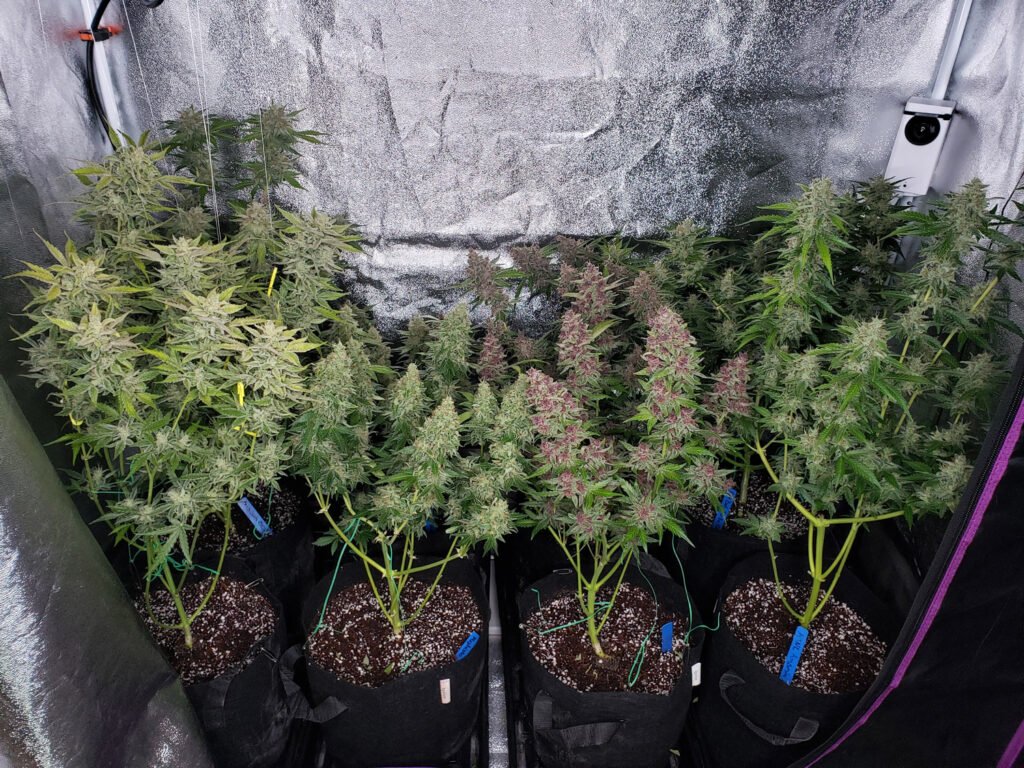
Events & Weed-Friendly Atmosphere
To be direct: there are no openly weed-friendly events in Tokyo. No cannabis festivals, no 420 meetups, no social consumption spaces. What exists are events and spaces with a broadly relaxed, alternative atmosphere that sometimes attract people with cannabis-positive attitudes — though cannabis itself remains absent. Weed in Tokyo
Shimokitazawa
This bohemian neighborhood in Setagaya is Tokyo’s closest equivalent to a counterculture hub. Vintage clothing stores, small live music venues, indie cafés, and a strong arts community create an atmosphere that welcomes nonconformity. The vibe is tolerant and creative — but cannabis is not part of it openly. Weed in Tokyo
Reggae Events
Tokyo has a genuinely enthusiastic reggae scene, with regular events at venues like Reggae Downbeat in Shibuya or various clubs in Nakameguro. The music’s cultural association with cannabis is understood by attendees, but actual use at these events would be extraordinary and dangerous. Weed in Tokyo
Psychedelic & Rave Culture
Tokyo’s underground electronic music scene — events in warehouse spaces or rooftops, often announced days in advance — tends to attract an international crowd with more liberal attitudes toward substances generally. Again: the atmosphere may feel more permissive than average Tokyo, but this is not a safe environment for cannabis use, and law enforcement awareness of these scenes is well-documented.
Practical Advice If you’re seeking the most relaxed, internationally-minded social atmosphere in Tokyo, areas like Roppongi (heavily foreign, though high police presence), Nakameguro, and Daikanyama tend to have the most globally cosmopolitan crowds. None of these constitute cannabis-friendly spaces. Weed in Tokyo
07 — Safety
Safety Tips for Cannabis in Tokyo
Given the serious legal risks, this section offers practical harm-reduction information for anyone navigating this environment.
- 01 Do not bring cannabis into Japan. Japanese customs officers are highly trained and use dogs, chemical testing, and X-ray imaging extensively. All luggage is subject to inspection. Being caught importing cannabis is a trafficking offense carrying up to 10 years imprisonment.
- 02 Do not purchase from strangers. Undercover police operations targeting cannabis buyers — especially foreign tourists — are well-documented in Roppongi and entertainment districts. Treat any unsolicited offer as a probable sting.
- 03 Never consume in public. Tokyo has extensive CCTV coverage. Parks, streets, and even many building interiors are under video surveillance. Smoking cannabis in any semi-public location is extremely high-risk.
- 04 Know your legal rights if detained. You have the right to remain silent and the right to contact your country’s embassy or consulate. Invoke both immediately if detained. Do not sign any documents or make any statements without legal representation present. Weed in Tokyo
- 05 Be aware of drug tests. The 2024 law change means consumption itself is now illegal. Police can request blood or urine tests, and a positive result is prosecutable even without evidence of possession at the time of arrest.
- 06 Do not discuss cannabis openly. In public spaces, with hotel staff, tour guides, or Japanese acquaintances — cannabis is a deeply taboo topic. Raising it causes discomfort and can attract unwanted attention. Weed in Tokyo
- 07 Verify CBD products thoroughly. If you use CBD products, research Japanese compliance before bringing any into the country. Products legal elsewhere may not meet Japan’s zero-THC standard and can be confiscated or prosecuted.
- 08 Medical cannabis users: plan carefully. There is no recognized medical cannabis exemption for tourists. If you use medical cannabis in your home country, consult your embassy before traveling regarding any medications that may intersect with Japanese drug laws. Weed in Tokyo
08 — FAQ
Frequently Asked Questions
Is cannabis legal in Japan for any purpose?
Technically, Japan approved a very narrow medical cannabis program in late 2023/2024, allowing specific pharmaceutical-grade cannabis-derived medicines (like Epidiolex for epilepsy) to be prescribed under strict hospital supervision. However, this has no practical implications for recreational users or tourists. There are no dispensaries, no medical cards, and no legal pathways for general access.
Will I get in trouble if I smell like weed at the airport? Weed in Tokyo
Potentially, yes. Japanese customs officers are trained to identify cannabis by smell, and detecting it on your person or luggage can trigger a full search and questioning. If no cannabis is found, you will likely be detained, questioned, and possibly subject to a drug test before being released — or denied entry entirely. It is strongly advisable to ensure you have no cannabis-related odor before traveling to Japan.
Can I be arrested for having cannabis in my system (not in my possession)? Weed in Tokyo
Yes — as of the 2024 amendment to the Cannabis Control Act, consumption itself is now a criminal offense. This means a positive drug test (blood, urine, or hair) can support criminal charges even without physical evidence of possession. THC can remain detectable in urine for weeks after last use, meaning someone who consumed cannabis legally in their home country before traveling could theoretically test positive in Japan. Weed in Tokyo
Are there any areas of Tokyo where police are more lenient? Weed in Tokyo
No documented evidence suggests any area of Tokyo operates with reduced cannabis enforcement. Roppongi is often cited due to its international atmosphere, but it is also one of the most heavily policed entertainment districts in the city specifically because of its reputation for drug activity. There are no “tolerance zones” in Japan. Weed in Tokyo
What should I do if I’m offered cannabis by someone in Tokyo?
Decline immediately and leave the situation. Do not engage in conversation about it, ask for a price, or express curiosity. The safest working assumption is that any unsolicited offer in an entertainment district is a police operation. If you are in a social setting and someone produces cannabis, distance yourself — being present when someone else uses cannabis can result in your own questioning and testing.
Is hemp or hemp-derived CBD legal in Tokyo? Weed in Tokyo
CBD products derived from hemp stems and seeds are legal in Japan, but must contain absolutely zero THC — not the trace amounts (0.2–0.3%) permitted in Europe or North America. Many imported CBD products do not meet this standard. A growing number of Japanese-compliant CBD products are available at specialty shops in Tokyo, particularly in Harajuku, Shibuya, and Shinjuku.
What happens to foreigners who get arrested for cannabis in Tokyo?
Foreign nationals face the same criminal penalties as Japanese citizens, plus: notification of their home country’s embassy (you should request this), detention for up to 23 days without charge during investigation, criminal trial with a greater than 99% conviction rate if charged, sentencing (potentially including prison time), deportation upon completion of sentence, and a permanent ban on re-entering Japan. For most people, the career and personal consequences are life-altering.Weed in Tokyo
Is Japan’s cannabis policy likely to change anytime soon?
The trend as of 2024 has actually been toward stricter enforcement, not relaxation. The 2024 amendment adding consumption as a standalone offense moved Japan in the opposite direction from global trends. While some Japanese academics and public health professionals have called for debate, there is no mainstream political movement toward decriminalization or legalization. Japan is unlikely to significantly loosen cannabis laws in the near future.
東 京 大 麻Disclaimer This article is published for informational and harm-reduction purposes only. It does not encourage, condone, or facilitate illegal activity. Cannabis is fully illegal in Japan and Tokyo. Penalties are severe and enforced rigorously. Always obey local laws when traveling. When in doubt, consult your country’s embassy and a licensed legal professional in Japan.
© 2025 Cannabis Travel Guide Series · All information accurate to the best of our knowledge as of 2025